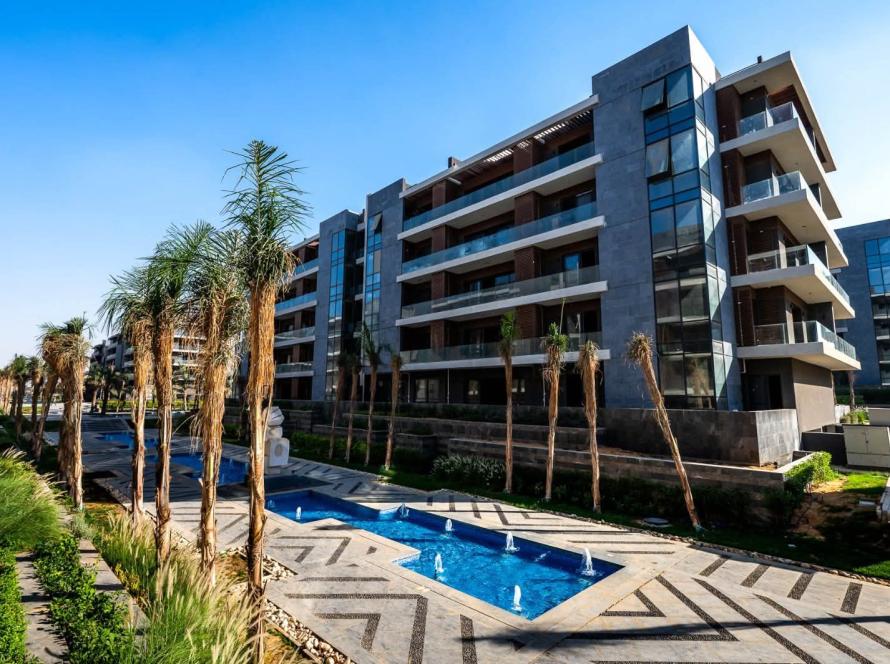
A building may look complete when the final wall is painted and the keys are handed over. In reality, its useful life is just beginning. Markets change. Families grow or shrink. Businesses alter the way they work. Technology introduces new requirements, while operating costs influence what tenants are willing to pay. A property that was designed for only one situation can become difficult to use long before its structure reaches the end of its life.
This is why adaptive real estate design is becoming an important part of modern development. It means creating buildings that can respond to change without requiring major reconstruction every time expectations move in a new direction. The strongest projects are not simply attractive on opening day. They remain practical when the market looks different five, ten, or twenty years later.
Flexibility Starts With the Development Concept
Adaptability is not something that can be added at the end of construction. It begins with the original development concept. Site selection, building orientation, floor-to-floor heights, access points, service routes, parking solutions, and structural planning can all influence how easily a property changes over time.
For example, a floor plan with sensible dimensions and limited dependence on permanent partitions may support different uses. An office floor could be reorganized for smaller companies, a medical practice, or a service business. Residential spaces may benefit from layouts that allow rooms to serve more than one purpose. These choices do not guarantee future success, but they create more options when demand changes.
The important point is that flexibility should be intentional. It does not mean designing an undefined building. It means understanding the likely life of the asset and making practical provisions for different scenarios.
Designing for More Than One Tenant Profile
A property can become vulnerable when it depends on a narrow tenant or buyer profile. If the project appeals to only one type of user, a small shift in the market can affect occupancy and income. A more resilient approach considers how different users may experience the same asset.
| Design decision | Immediate benefit | Long-term advantage |
| Modular internal layouts | Faster space planning | Easier conversion between uses |
| Accessible service zones | Simplified maintenance | Lower disruption during upgrades |
| Efficient structural grids | Better construction planning | More options for future layouts |
| Adaptable technology infrastructure | Improved connectivity | Easier integration of new systems |
| Well-planned common areas | Better user experience | Supports changing tenant expectations |
This kind of thinking connects physical design with real estate investment strategy. A flexible building may be better positioned to attract different users, reduce periods of vacancy, and support future repositioning.
Adaptability Can Reduce Waste
Sustainable property development is often associated with energy efficiency, water conservation, and responsible material selection. Those measures matter, but sustainability also involves how long a building remains useful. Demolishing or heavily rebuilding a property because it cannot accommodate a new need creates financial and environmental costs.
A building designed for adaptation can extend its useful life. Components that are easy to repair or replace can reduce unnecessary demolition. Accessible mechanical systems can make upgrades less disruptive. Durable finishes in high-traffic areas can lower the frequency of replacement. Even small decisions, such as providing adequate routes for future cabling, can prevent invasive work later.
The objective is not to install every possible feature from the beginning. That can increase costs without creating real value. The objective is to make sensible decisions that preserve options and avoid locking the asset into an outdated format.
The Role of Project Management
Flexible design only creates value when it is delivered properly. During construction, a minor change in dimensions, service locations, or access routes can affect several trades. Without careful coordination, the original adaptability of the concept may be weakened by field decisions or undocumented changes.
This is where strong real estate project management becomes essential. Design leadership, contractor coordination, quality control, schedule monitoring, and transparent reporting help protect the decisions that support the asset’s future performance. The project team should understand not only how a building will be delivered, but also how it is expected to operate after completion.
Good project management also keeps flexibility realistic. It tests proposed solutions against budget, regulations, maintenance requirements, and construction practicality. Adaptability should be useful, not merely a feature included in a presentation.
Measuring Value Beyond the Opening Day
Traditional development decisions often focus on the initial cost of construction and the expected result at launch. A broader view asks different questions. How easily can the space be reconfigured? How much disruption would an upgrade cause? Can the property serve a wider market in the future? Will maintenance teams be able to access essential systems without affecting occupants?
These questions help developers evaluate property value creation over the full life of the asset. The cheapest short-term option is not always the most economical choice. A modest investment in planning, durable materials, or accessible infrastructure may protect income and reduce future capital expenditure.
Building for Change, Not for Uncertainty
Adaptive real estate design does not attempt to predict exactly what the future will look like. No developer can know every change that will affect a property. Instead, it prepares the asset to respond without losing its core function, quality, or financial logic.
For MEC Development, this perspective fits naturally with an integrated approach to real estate development, constructing, and projects management. From early site analysis and conceptualization to construction delivery and asset oversight, each stage can contribute to a building that remains useful and competitive.
A successful property should not be judged only by how impressive it appears on opening day. Its real strength is revealed later, when users, owners, and operators need it to do something new. Buildings that can adapt are better prepared to protect their relevance, reduce unnecessary waste, and create value long after construction is complete.
To learn more, visit MEC Development and explore its real estate development, constructing, and projects management services.