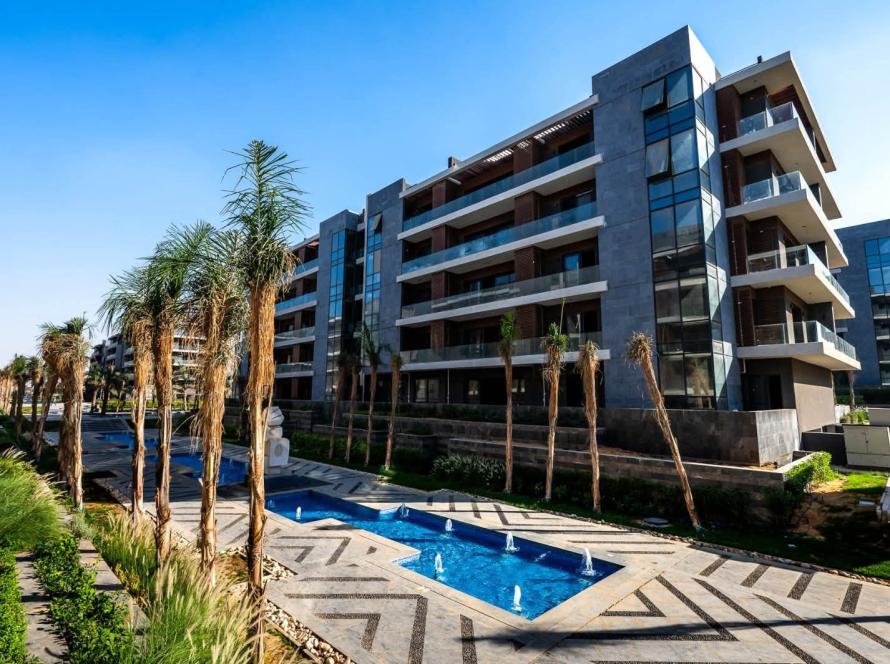
A strong real estate project does not start when the first machine arrives on site. It starts much earlier, with a clear understanding of the land, the people who will use the space, the regulations that shape it, and the financial decisions that will support it for years to come. This is the practical value of data-driven real estate development: turning early insight into a smarter, more resilient project.
For developers and investors, the early stages can feel less visible than design or construction. Yet they are often where the most important decisions are made. Is the site aligned with local demand? Does the concept make sense for the surrounding area? What approvals are needed, and how could they affect the schedule? Addressing questions like these early gives a project a stronger foundation long before it becomes a physical landmark.
From Site Intelligence to a Clearer Vision
Every location has its own story. Traffic patterns, nearby services, zoning requirements, buyer expectations, and future growth can all influence what a project should become. A careful site analysis does more than identify constraints; it reveals opportunity.
For example, a parcel of land may be suitable for several types of development, but not every option will create the same long-term value. A well-considered concept connects the site’s potential with a realistic market need. This is where financial underwriting, planning, and design leadership should work together rather than in isolation.
At MEC Development, the real estate development process is built around this full-picture perspective, from site analysis and entitlement review to project conceptualization and capitalization planning. By making informed choices at the beginning, developers can reduce avoidable risk and establish a more confident path forward.
Construction Is Where Planning Becomes Trust
Once a project moves from paper to site, the quality of coordination becomes visible. Construction is not simply the act of building. It is the point where schedules, budgets, materials, specialists, safety requirements, and design intent must all work together.
Effective construction management creates consistency between the original vision and the finished result. It helps keep communication focused, decisions timely, and responsibilities clear across contractors and consultants. When challenges appear—as they inevitably do—the project team can respond with context instead of reacting in fragments.
That discipline matters because a finished property should feel dependable, not rushed. Whether it is prepared for occupancy, operations, or sale, the handover stage should reflect the same care that shaped the earliest planning decisions.
Managing Value Beyond the Handover
The life of a property continues after construction is complete. Performance must be monitored, stakeholders need clear reporting, and the project’s long-term strategy must remain aligned with its original goals. This is why real estate project management should connect the pre-development, construction, and asset-management phases rather than treating them as separate chapters.
A connected approach also supports more responsible development. Instead of focusing only on short-term delivery, project leaders can consider durability, operational readiness, community fit, and future adaptability. These qualities are increasingly important in places where expectations are changing and real estate must remain useful over time.
MEC Development’s project management services bring this continuity to the forefront, guiding projects through strategic oversight, reporting, asset management, and exit planning. The goal is not merely to complete a development; it is to help it perform.
Building for the Next Chapter
The most forward-looking projects are not defined only by their size or appearance. They are defined by how well they respond to real needs, handle complexity, and remain valuable as conditions evolve. Data-driven real estate development makes that possible by giving every stage—from site selection to project exit—a shared purpose.
When insight, execution, and long-term management move in the same direction, development becomes more than construction. It becomes a way to create places that are ready for what comes next.
To discuss a development opportunity, explore MEC Development’s services or get in touch.